Sustainable catering has become increasingly necessary, especially in educational institutions where environmental responsibility meets operational efficiency. Bulk food dispensers represent a pivotal solution, enabling universities and canteens to minimise waste and promote healthy eating. This is particularly true for cereal dispensing in university halls of residence and fully catered accommodation, for breakfast clubs at schools, and for the retailing of dried food goods in student union shops. This guide explores the significance of bulk food dispensers in achieving zero waste initiatives, their benefits, and best practices for implementation across each of these settings. Readers will discover the various types of dispensers available, how to choose the right model for their specific needs, and the crucial role these systems play in promoting a sustainable dining experience. Furthermore, this article will highlight why embracing these solutions is valuable for health, cost control and environmental sustainability.
What Are Bulk Food Dispensers and How Do They Support Zero Waste Catering?
Bulk food dispensers are innovative systems designed to deliver food items in large quantities without packaging waste. These dispensers function by allowing users to serve themselves, which cuts down on single-use containers and wraps that typically contribute to landfill waste. By promoting refilling and reducing packaging, they significantly support zero waste catering efforts. Such systems engage consumers directly in sustainability practices, empowering them to make environmentally conscious choices while enjoying fresh, healthy options. In a university or school setting, this same self-serve model applies just as well to a bowl of cereal at breakfast as it does to a scoop of pasta from a student union shop shelf.
Benefits for Consumer Engagement
The operational model of bulk food dispensers enhances consumer engagement by fostering a direct connection between them and their food choices. When students participate in the refilling process, they become more aware of portion sizes and consumption habits. This increased awareness contributes to more responsible eating patterns and helps instill a culture of sustainability within educational environments.
Cereal Dispensing in University Halls of Residence and Catered Accommodation
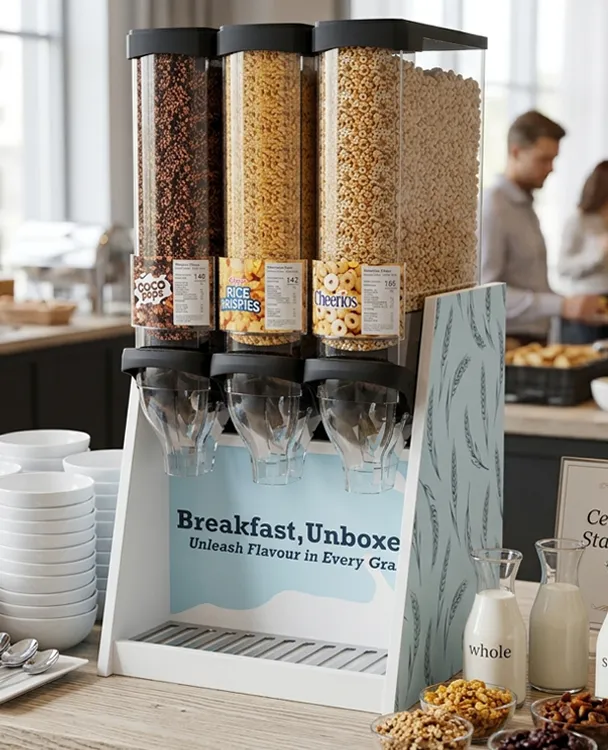
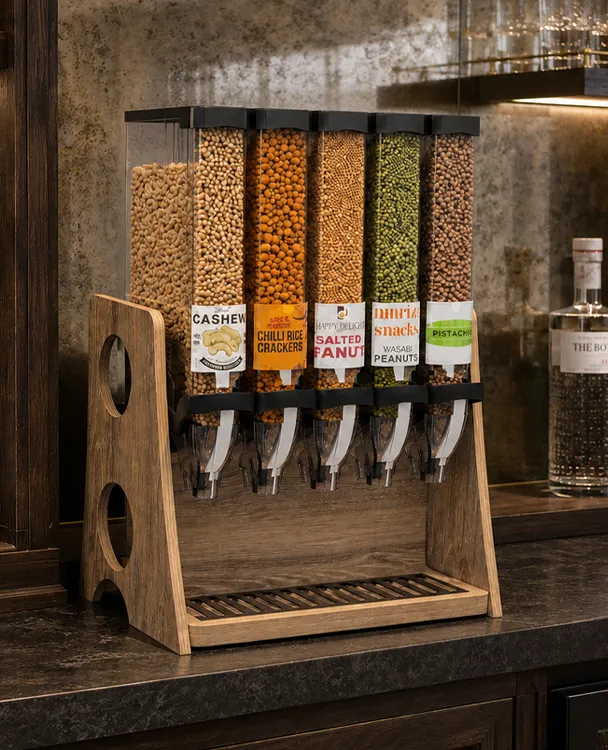
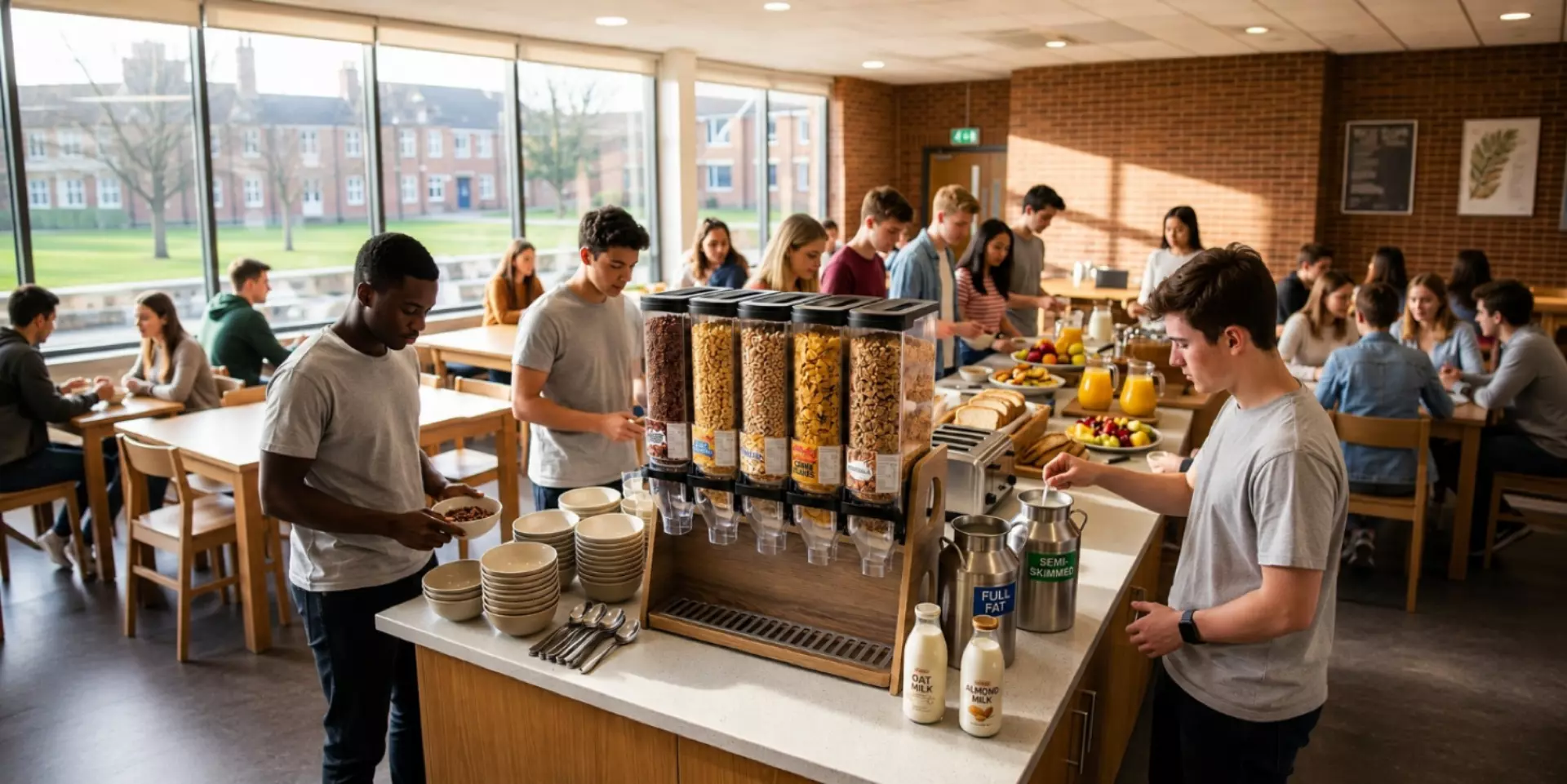
Breakfast service in halls of residence and fully catered accommodation is one of the areas where bulk dispensing delivers the clearest gains. Traditional individual cereal boxes and portion packs are costly, generate a steady stream of cardboard and plastic waste, and are prone to over-ordering. Gravity-fed cereal dispensers replace that model with a self-serve station where students take exactly the amount they want, refilled from bulk stock rather than single-serve packaging.
For catering teams, this means:
- Reduced packaging waste: Bulk cereal dispensers remove the need for individual boxes and sachets, cutting down significantly on cardboard and plastic destined for landfill.
- Portion control: Students serve themselves the quantity they will actually eat, reducing the amount of half-eaten cereal scraped into food waste bins each morning.
- Lower catering costs: Buying cereal in bulk is considerably cheaper per portion than individually packaged alternatives, an important saving across a large hall of residence.
- Consistent availability: A well-placed bank of dispensers keeps popular cereals topped up during busy breakfast periods without staff needing to restock individual boxes constantly.
Breakfast Clubs at Schools
Breakfast clubs play an important role in ensuring pupils start the day with a proper meal, and bulk dispensing suits this setting particularly well. Schools running breakfast clubs typically operate on tight budgets and need a solution that is quick for staff to manage, safe and simple for children to use, and low in ongoing waste.
Bulk cereal and dried food dispensers help breakfast clubs by:
- Simplifying service: Self-serve dispensers speed up the morning routine, allowing more pupils to be served in a shorter window before lessons begin.
- Controlling costs: Bulk purchasing of cereals and dried goods stretches limited breakfast club budgets further than buying individually packaged portions.
- Cutting waste: Serving only what is needed reduces both food waste and the packaging waste that would otherwise accumulate from single-serve boxes and wrappers.
- Supporting healthy habits: A visible, varied dispensing station encourages children to try different wholesome options as part of a consistent morning routine.
Retailing Dried Food Goods in Student Union Shops
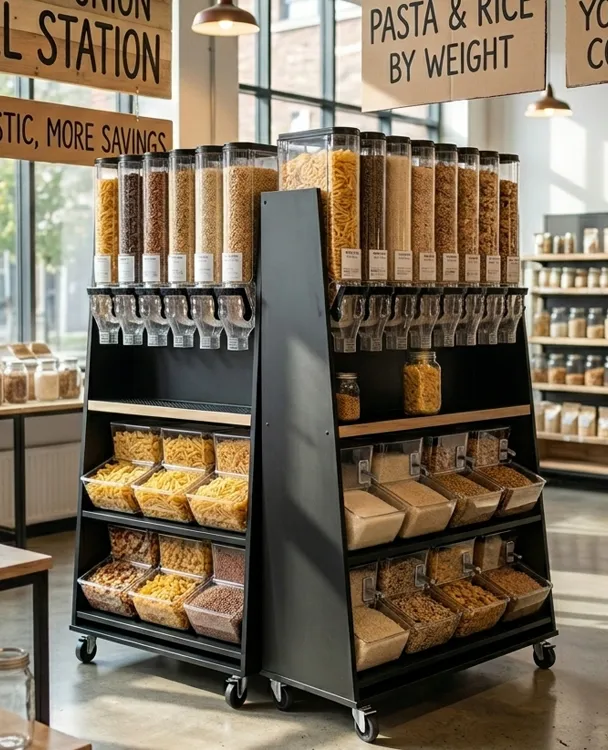
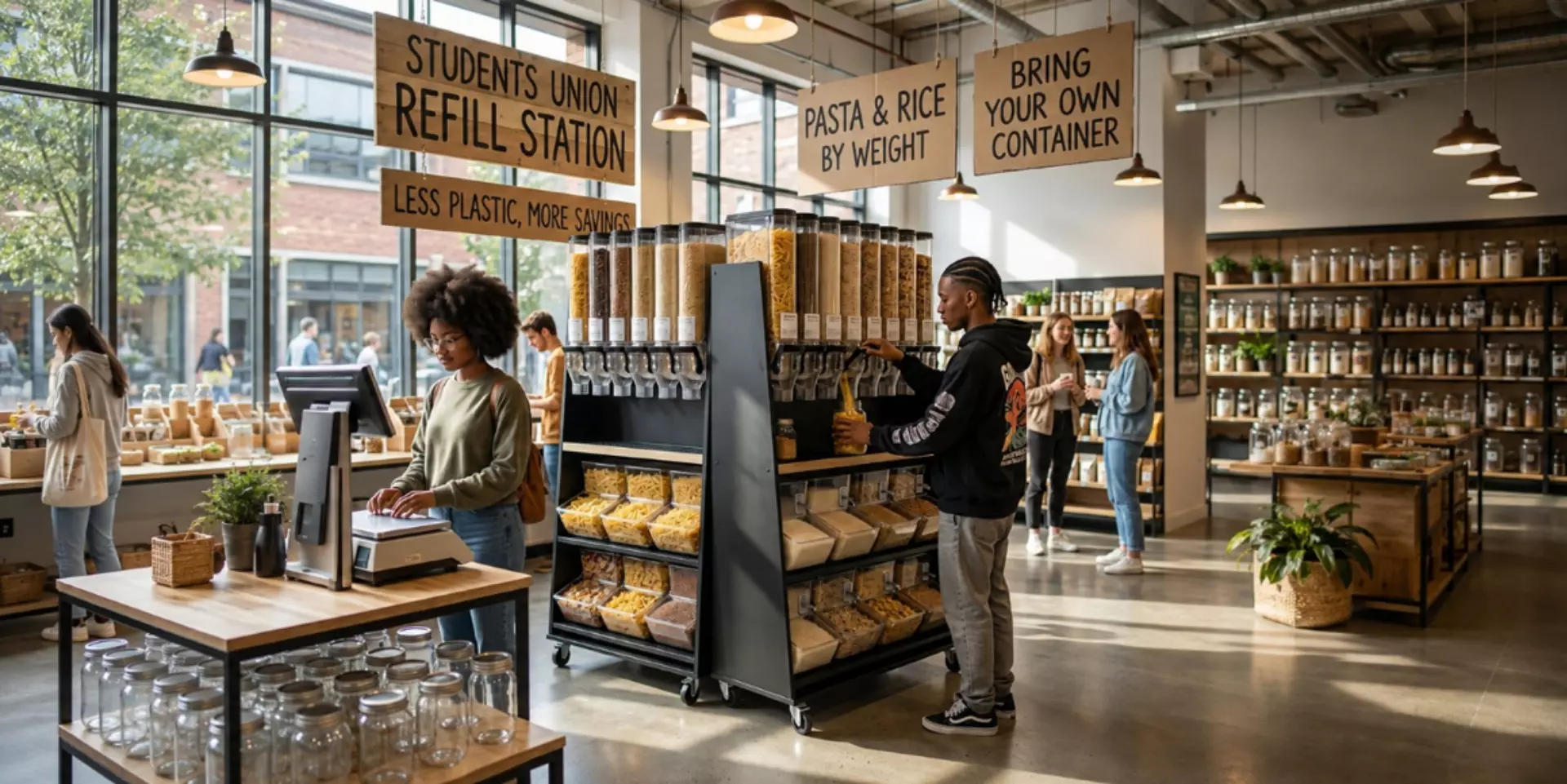
Student union shops are increasingly turning to bulk dispensers to retail dried food goods such as pasta, rice, cereals, nuts, seeds and pulses. Rather than stocking these items in fixed pre-packaged sizes, a dispensing station lets students weigh out and pay for exactly the amount they need, with clear benefits for both students and the union:
- Buy only what’s needed: Students can portion out small or large quantities to match their budget and appetite, rather than being forced into a fixed pack size.
- Reduces food waste: Because students only take what they intend to use, less food is left unopened or thrown away in halls kitchens.
- More cost-effective: Bulk buying lowers the union shop’s per-unit cost, savings that can be passed on to students as more competitive pricing than pre-packaged equivalents.
- Reduces single-use plastic: Dried goods dispensed by weight remove the need for individual plastic packets and bags, cutting the shop’s plastic footprint significantly.
- More sustainable overall: Lower packaging, lower waste and lower transport volumes for bulk stock all combine to shrink the environmental impact of everyday student shopping.
Why Choose Sustainable Food Dispensers for Schools and Universities?
Adopting sustainable food dispensers comes with numerous advantages that extend beyond merely reducing packaging waste. Many schools and universities find that these dispensers not only contribute positively to their sustainability goals but also offer significant financial and operational efficiencies, whether they are used for cereal service in halls, breakfast clubs, or dried goods retailing in student union shops.
- Environmental Impact: Reducing reliance on single-use packaging minimises the ecological footprint of campus dining and student retail.
- Cost-Effective: Bulk food purchases reduce overall costs, as buying in larger quantities often yields savings that can benefit both catering budgets and student prices.
- Healthier Options: These dispensers encourage the availability of fresh, nutritious options, enhancing the overall quality of food served at breakfast and beyond.
To support sustainable initiatives, institutions can partner with suppliers specializing in zero waste solutions, such as Martek Zero Waste. They provide tailored solutions to meet the dispensing needs of halls of residence, catered accommodation, school breakfast clubs and student union shops, ensuring that the transition to sustainable practices is smooth and effective.
How to Select the Right Bulk Food Dispensers for Your University or Canteen?
Choosing the proper bulk food dispensers involves considering various factors that align with your institution’s goals and the specific needs of the student population. First, it is essential to evaluate the types of food being served and the expected volume to determine the capacity and functionality of the dispensers required, whether that’s cereal for a hall of residence breakfast service, dried goods for a student union shop, or portions for a school breakfast club.
- Capacity Considerations: Assess how much food will be required daily and choose dispensers that can accommodate that volume without requiring frequent restocking.
- Sustainability Features: Look for models made from durable, recyclable materials with refillable components to maximise sustainability.
- User Experience Factors: Ensure that dispensers are designed with user convenience in mind, allowing for easy access and operation, particularly important where younger pupils or busy students are self-serving.
Comparing Different Types of Dispensers
Different models of bulk food dispensers serve various niches within the sustainable catering market, providing choices such as:
Dispensing Type | Capacity | Features |
Gravity Dispensers | 5-30 kg | Easy refilling; minimal user interaction; ideal for cereal service in halls and breakfast clubs |
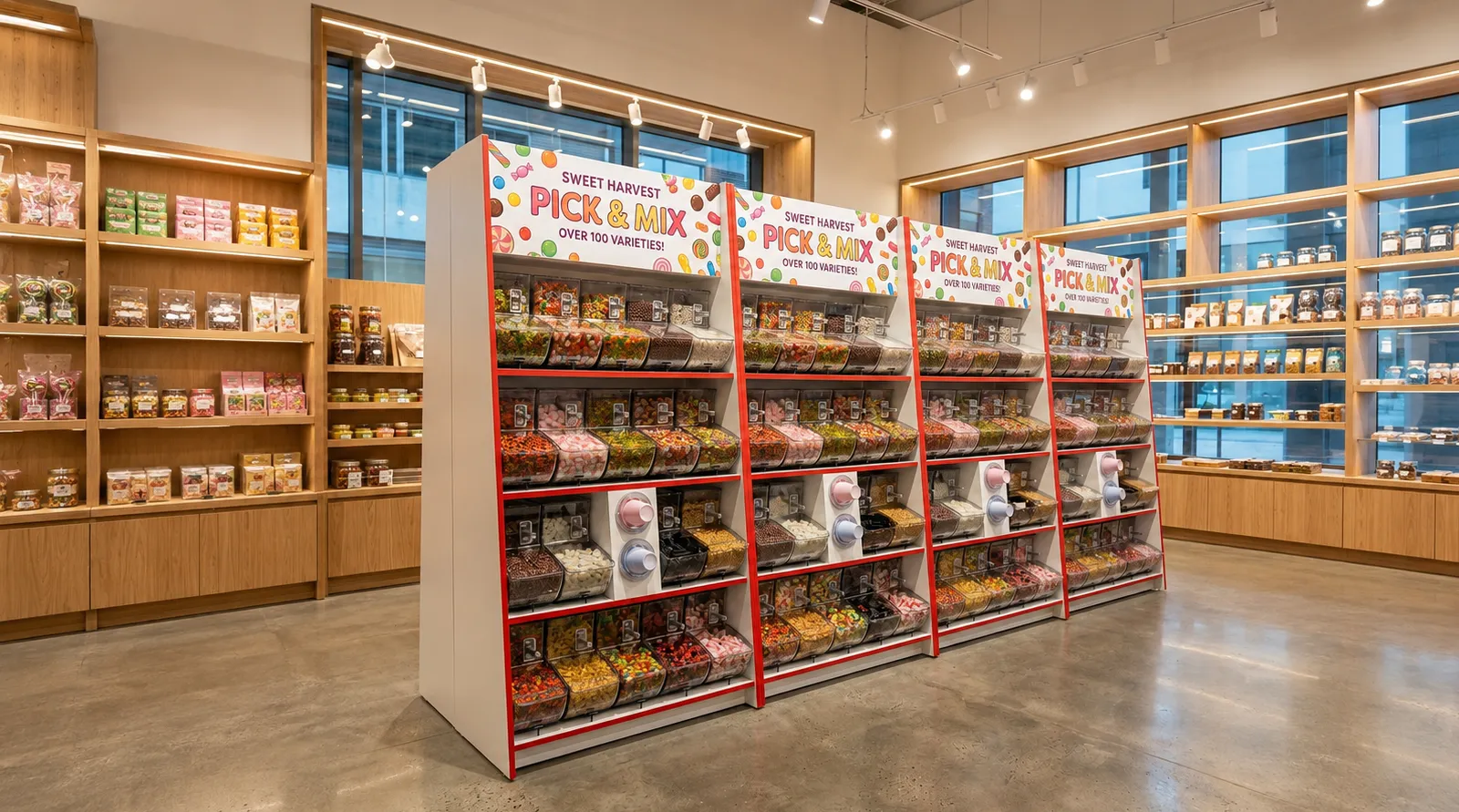
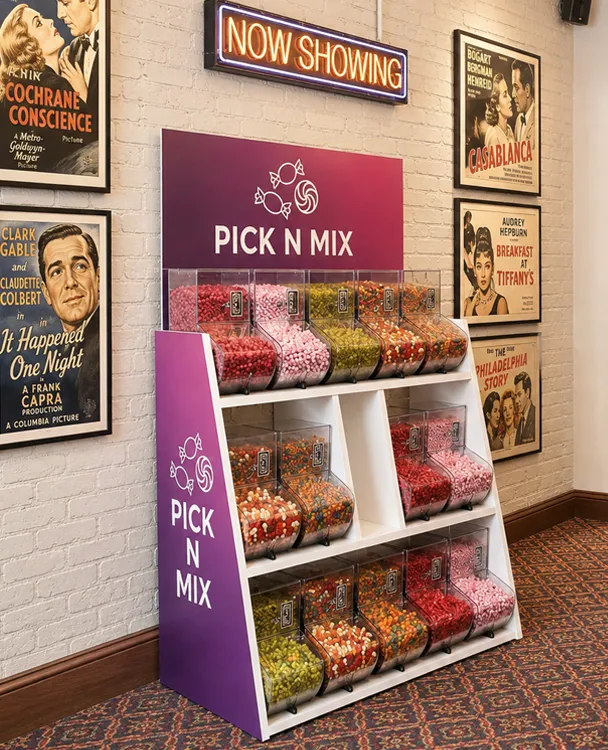
Scoop Bins | Varies | Ideal for dry goods; customisable sizes; well suited to student union shop retail |
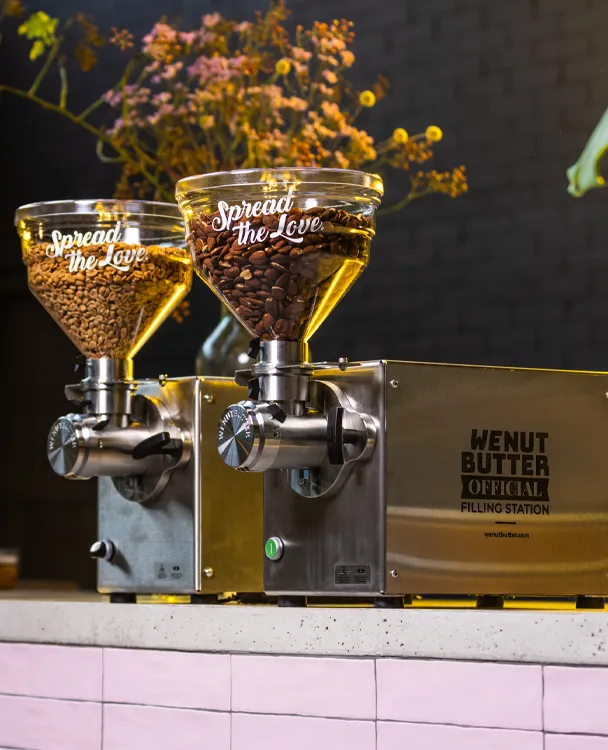
Nut Refill Stations | 8-24 kg | Allows for serving diverse nuts and seeds |
This variety enables institutions to select solutions aligned with their sustainability initiatives and customer needs, ensuring efficient and responsible food service.
Best Practices for Installing and Maintaining Bulk Dispensers in Educational Settings
Implementing bulk food dispensers requires careful planning to ensure optimal operation and user satisfaction, whether in a hall of residence dining room, a school breakfast club, or a student union shop. Here are some best practices to consider during the installation and maintenance process:
- Strategic Placement: Position dispensers in high-traffic areas, such as breakfast service points or shop entrances, to maximise visibility and engagement.
- Regular Cleaning Regimen: Establish a routine maintenance schedule to ensure dispensers remain clean and in good working order, particularly important for cereal and food dispensers used daily by large numbers of students or pupils.
- User Training: Provide training for staff and students on properly using and maintaining the dispensers, reinforcing the importance of sustainability. For breakfast clubs, simple, clear instructions help younger pupils use dispensers safely and confidently.
The smooth operation of these systems depends not only on their design but also on the commitment of the institution toward ongoing engagement and education surrounding zero-waste practices.
In summary, the integration of bulk cereal and dried food dispensers across university halls of residence, fully catered accommodation, school breakfast clubs and student union shops illustrates a powerful commitment to sustainability. By choosing the appropriate models and implementing effective practices, educational institutions can lead the charge toward a zero-waste future while enhancing the dining and retail experience for their communities.